

Research Statement
We support initiatives that advance orthotic, prosthetic, pedorthic rehabilitation, improving outcomes, strengthening the care experience, and helping make high-quality care more effective, accessible, and sustainable. Our grants prioritize safe, effective, equitable, timely, efficient, and patient-centered care while fostering innovation that delivers measurable impact on mobility, independence, and quality of life.


Priorities
Funded research should address one or more of:
Core elements (Triple Aim) of value-based care:
Patient (Population) Outcomes
Patient Experience of Care
Cost of Care
Cost of Care (per capita/per population)
The Six Domains of Quality (AHRQ)
Safe | Effective | Patient Centered | Timely | Efficient | Equitable
Evidence
Better mobility care begins with better evidence.
Through our research programs, the Live in Motion Foundation invests in studies that strengthen clinical practice, improve patient outcomes, and advance the quality of care provided to individuals who rely on orthotic, prosthetic, and pedorthic services.
By supporting researchers at every stage of their careers, funding clinically relevant investigations, and expanding the evidence base that guides patient care, we help ensure that mobility care professionals have the knowledge and tools needed to deliver the most effective interventions possible.
Annual Opportunities
Pilot Research Grant
The Pilot Grant supports investigators in launching innovative research projects that can serve as strong foundations for future, larger-scale funding from agencies such as the National Institutes of Health (NIH), the Patient-Centered Outcomes Research Institute (PCORI), and the Department of Defense (DOD).
This annual $30,000 award is granted based on the project’s scientific rigor, clinical relevance, and alignment with Live in Motion Foundation’s research priorities, with the goal of accelerating impactful work that advances the field of orthotics, prosthetics, and pedorthics.
Program Opens Spring 2027
Early Career Research Grant
The Early Career Grant empowers emerging investigators to launch lines of research that can grow into competitive proposals for major funding agencies such as the National Institutes of Health (NIH), the Patient-Centered Outcomes Research Institute (PCORI), and the Department of Defense (DOD).
Designed for researchers within ten years of completing their terminal degree, this annual $30,000 award supports projects that demonstrate strong scientific merit, clear clinical relevance, and meaningful alignment with the Live in Motion Foundation’s research priorities.
By investing in early career scientists, the Live in Motion Foundation aims to accelerate discovery, strengthen the evidence base, and cultivate the next generation of leaders in orthotics, prosthetics, and pedorthics research.
Program Opens Spring 2027
Mentored Pilot Research Grant
The Mentored Pilot Grant provide a one-year grant of $5,000 to support early career scientists and emerging investigators including master’s and doctoral students, O&P residents, and practicing clinicians, as they complete a focused research project under the guidance of an experienced research mentor.
Projects must demonstrate strong scientific merit, clear clinical relevance, and alignment with Live in Motion Foundation’s research priorities.
This program is designed to strengthen early research skills, foster meaningful mentorship, and generate preliminary data that can support future, larger-scale funding opportunities and development for the investigators.
Program Opens Spring 2027
Microgrant
This one-year, $3,000 grant program enables health care professionals, researchers, students, and residents to pursue high-impact quality improvement projects that seek to impact care delivery and patient outcomes.
Designed to spark new directions and accelerate early-stage work, microgrants support activities that directly impact orthotic, prosthetic, and/or pedorthic patient care.
Awards are offered twice per year, in the Spring and Fall, and are selected based on the clinical relevance, feasibility, and alignment with Live in Motion Foundation’s research priorities.
Program Opens Spring 2027
One Time Opportunities
Tamarack Mentored Pilot Orthotics Grant
Tamarack Habilitation Technologies, Inc. continues to give back to the OP&P profession and advancement of orthotics practice and education with their generous support of a targeted Orthotics Mentored Pilot Research Grant.
The Tamarack Mentored Pilot Grant provide a one-year grant of $10,000 to support early career scientists and emerging investigators including master’s and doctoral students, O&P residents, and practicing clinicians, as they complete an orthotics focused research project under the guidance of an experienced research mentor.
Projects must demonstrate strong scientific merit, clear clinical relevance, and alignment with Live in Motion Foundation’s research priorities.
This program is designed to strengthen early research skills, foster meaningful mentorship, and generate preliminary data that can support future, larger-scale funding opportunities and development for the investigators.
Letters of Intent – Closed
Proposals Due November 2nd 2027
Dissemination Fund
The Live in Motion Foundation maintains a dissemination fund available to support the sharing and communication of Live in Motion Foundation-funded research activities and findings. Grant recipients who were awarded $5000 or more are eligible to request dissemination funds.
These funds are available for request during the three years following the active grant period and cover up to $2000 in expenses associated with dissemination activities such as conference travel and accommodations as well as publication fees.
Testimonials
Maria Gamez
Stefania Fatone
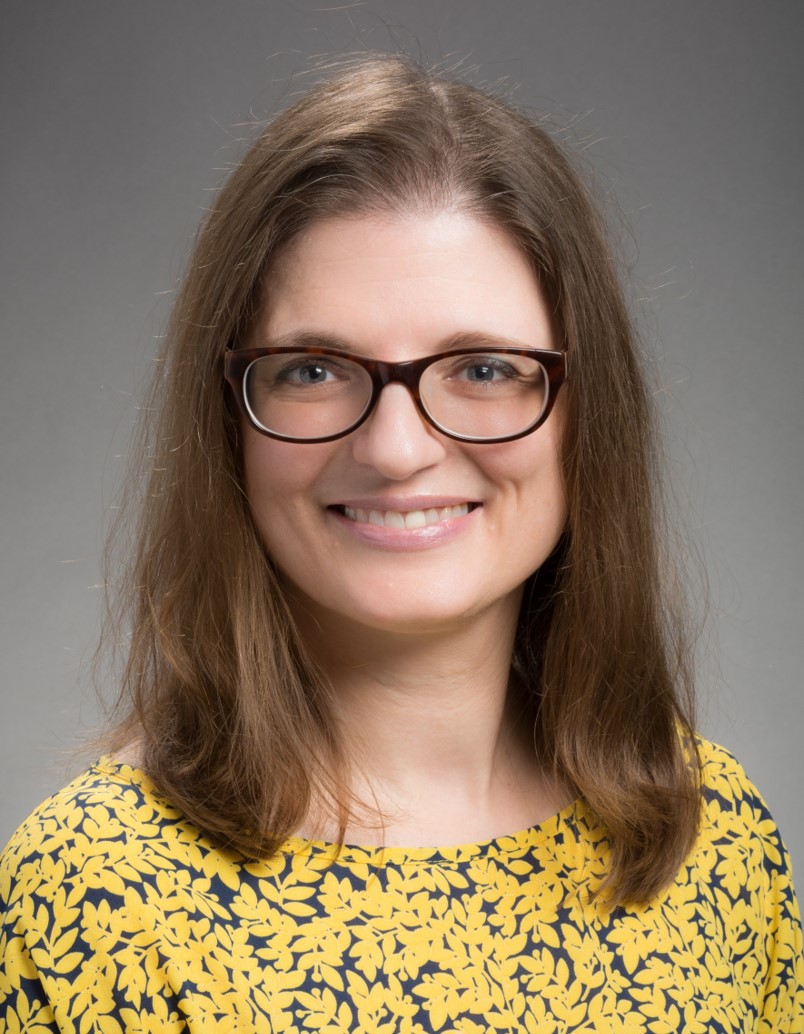
“I am grateful to the Foundation for funding our research. I appreciate the effort that volunteers on the research committee and reviewers put into the application review process. I also thank all the donors who contribute and support the Foundation. I’ve witnessed firsthand that research improves the lives of prosthesis and orthosis users and am truly grateful to be part of a community that continues to support, encourage, and advance our profession through research.”
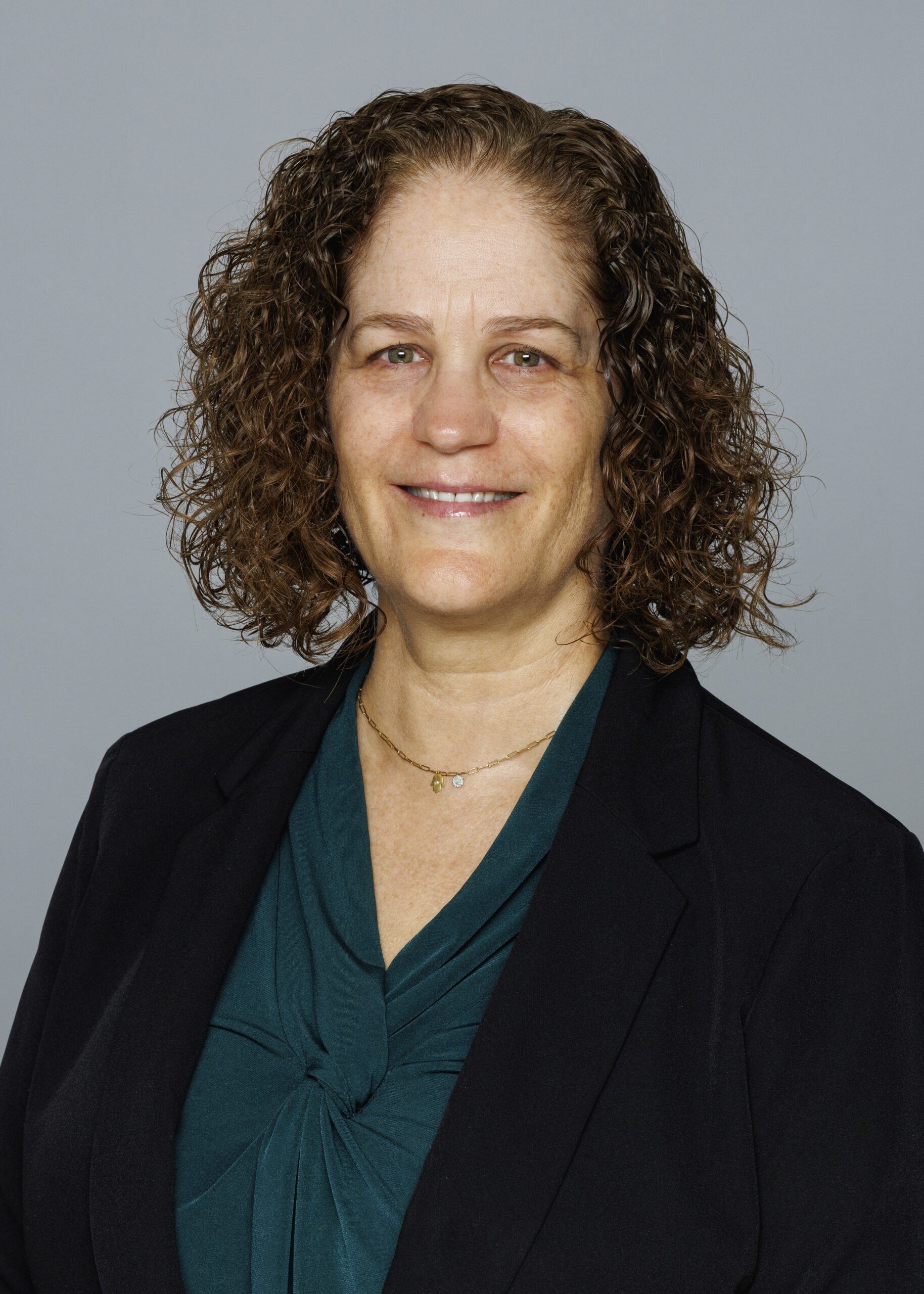
Anat Kristal
“It is a tremendous honor to receive the Early Career Research Grant from the Foundation. This support will help me examine how reactive balance responses differ between users of microprocessor-controlled and non-microprocessor prosthetic knees. By exploring these mechanisms, I hope to contribute to the development of rehabilitation interventions that may enhance prosthetic mobility and help reduce falls, supporting safer movement for people with lower limb loss. I deeply appreciate this incredible opportunity.“
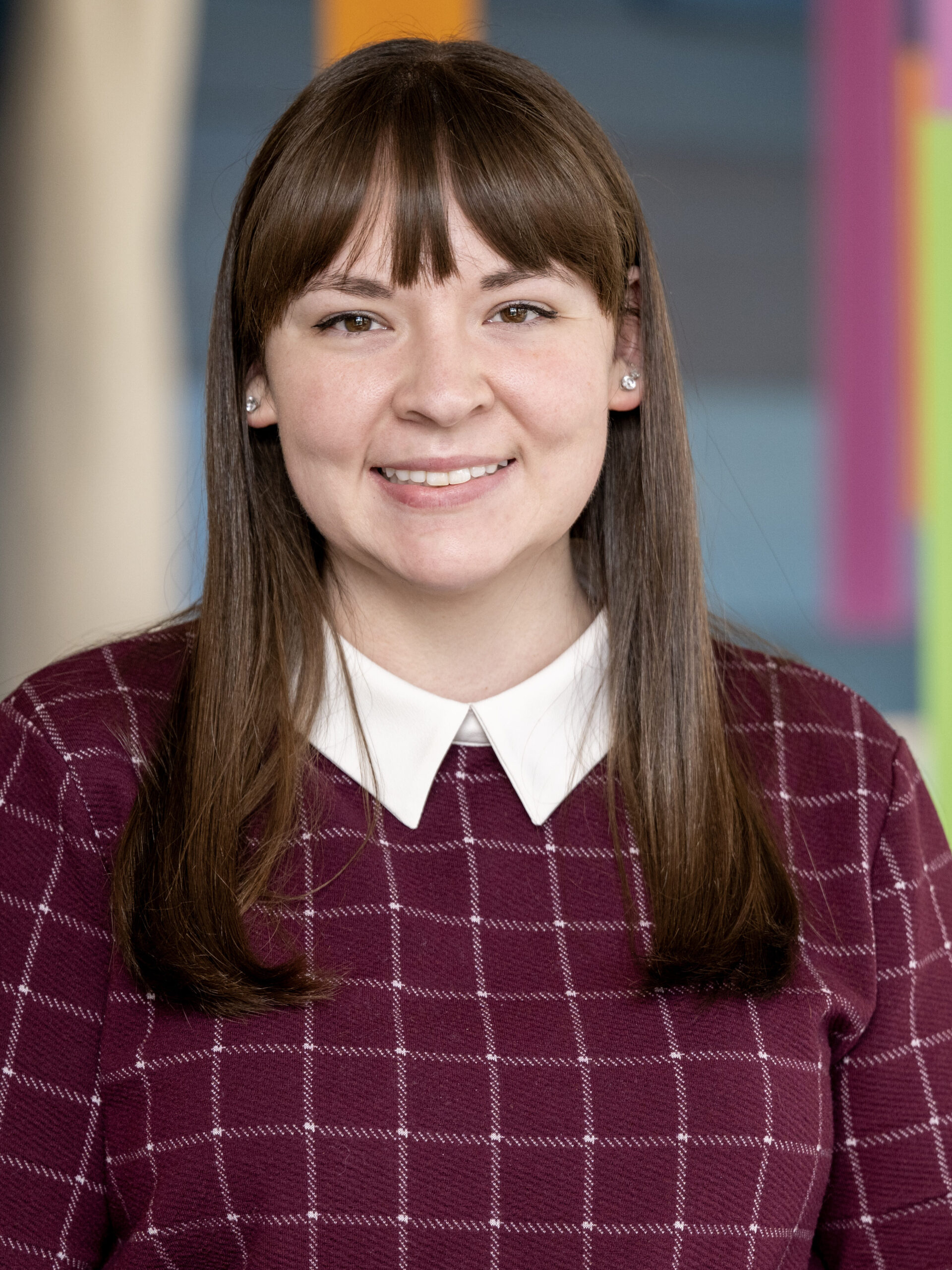
Alexandria Mallinos
“I am honored to receive the Early Career Grant. This support will allow me to advance simulation-based approaches that bridge engineering innovation with clinical practice, ultimately improving outcomes for children with ACL reconstructions. I am excited to contribute to the future of orthotics and prosthetics through research that translates directly to patient care.”

Amanda Kemper
“The continued growth of evidence-based practice in our profession relies on steady, collaborative contributions, and this award enables us to add meaningful findings to that collective effort. I am especially appreciative of the mentors and researchers who have guided my development and fostered my commitment to thoughtful, patient-centered inquiry. Their example has shaped the way I approach research, and this grant offers an invaluable opportunity to continue that work and contribute to improved clinical decision-making and patient outcomes as a new clinician entering the field.“
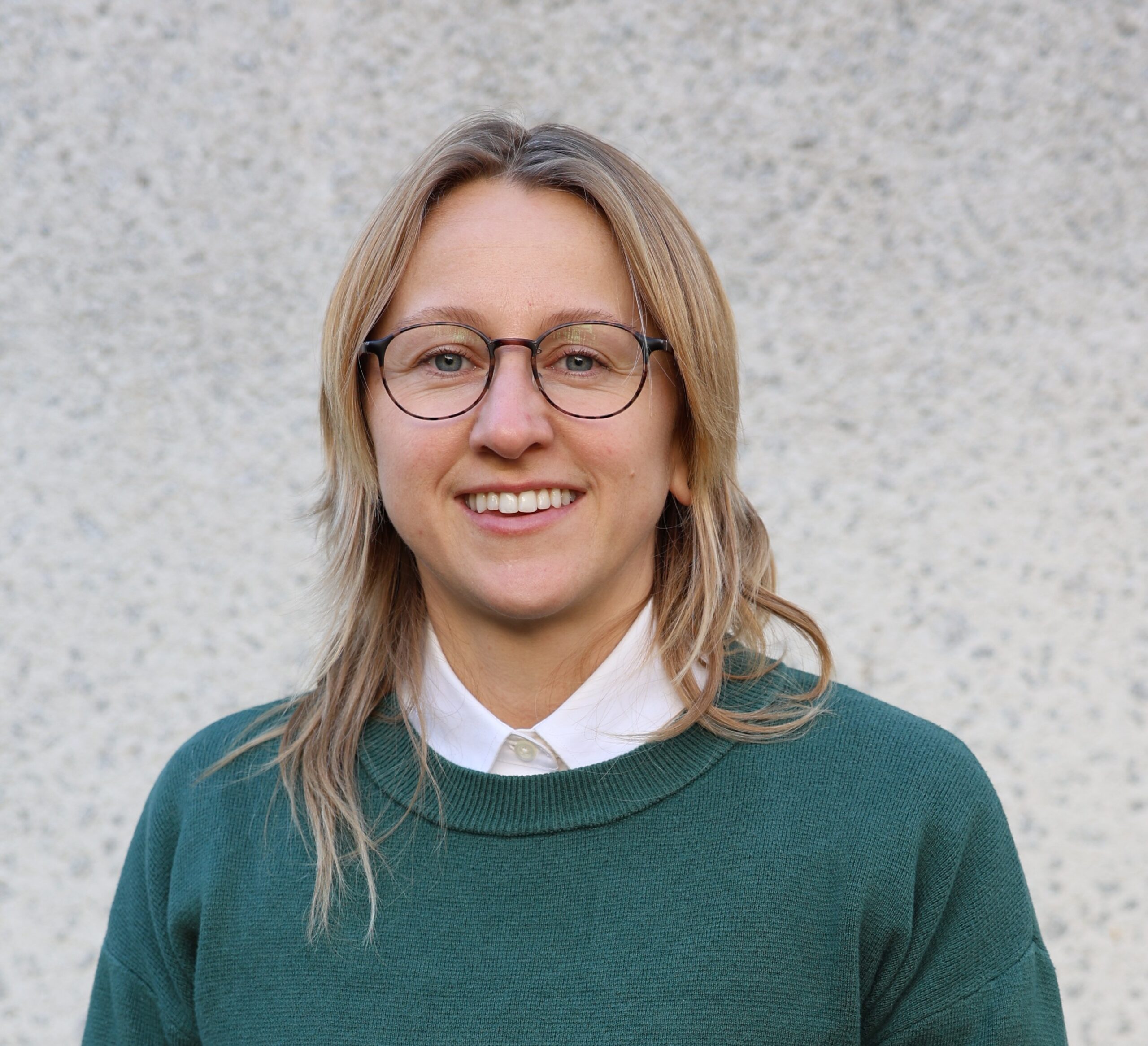
Brittany Moores
“I am thrilled to receive the 2025 Microgrant from the Foundation. This funding will support my study which examines how medical jargon may create communication barriers between prosthetists and patients. By identifying these gaps, I hope to contribute to more effective, patient-centered communication practices in O&P care.”

Emily Dinelli
“I am incredibly grateful to the Foundation for their unwavering support throughout my PhD program. As a certified prosthetist orthotist pursuing an advanced degree, it has always been of utmost importance to me to maintain my professional certification and licensure. The Foundation’s support ensures that I am able to sustain these credentials, allowing me to preserve my clinical competency while advancing my academic and research career.”
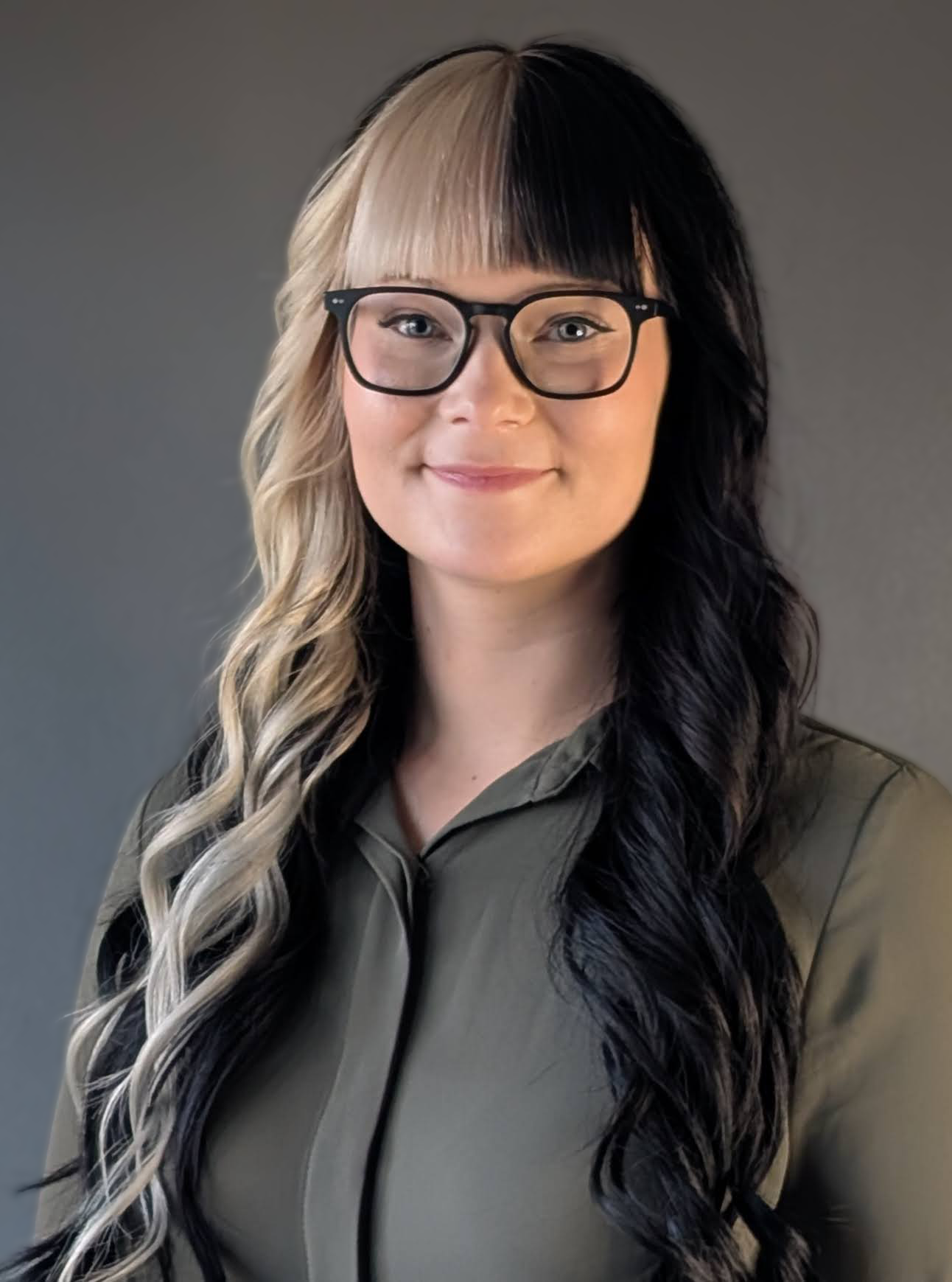
Myrriah Laine Dyreson
“I am honored to receive the Doctoral Training Award. This award has eased the financial burden associated with maintaining clinical certification and membership in professional organizations along with providing support to engage in meaningful professional development opportunities by contributing towards conference expenses. Thank you for the investment in my professional and academic endeavors as I become a clinician-scientist.”
Brittany Moores
“I’m very grateful to receive the Doctoral Training Award for the second year in a row. This support has been invaluable in covering my ABC CPO annual fee, AAOP conference registration, and travel costs, allowing me to maintain my clinical credentials while pursuing doctoral research. The Foundation’s investment in clinician-researchers like myself enables us to stay connected to the clinical community and conduct research that will ultimately advance evidence-based practice and improve patient outcomes in our field.“
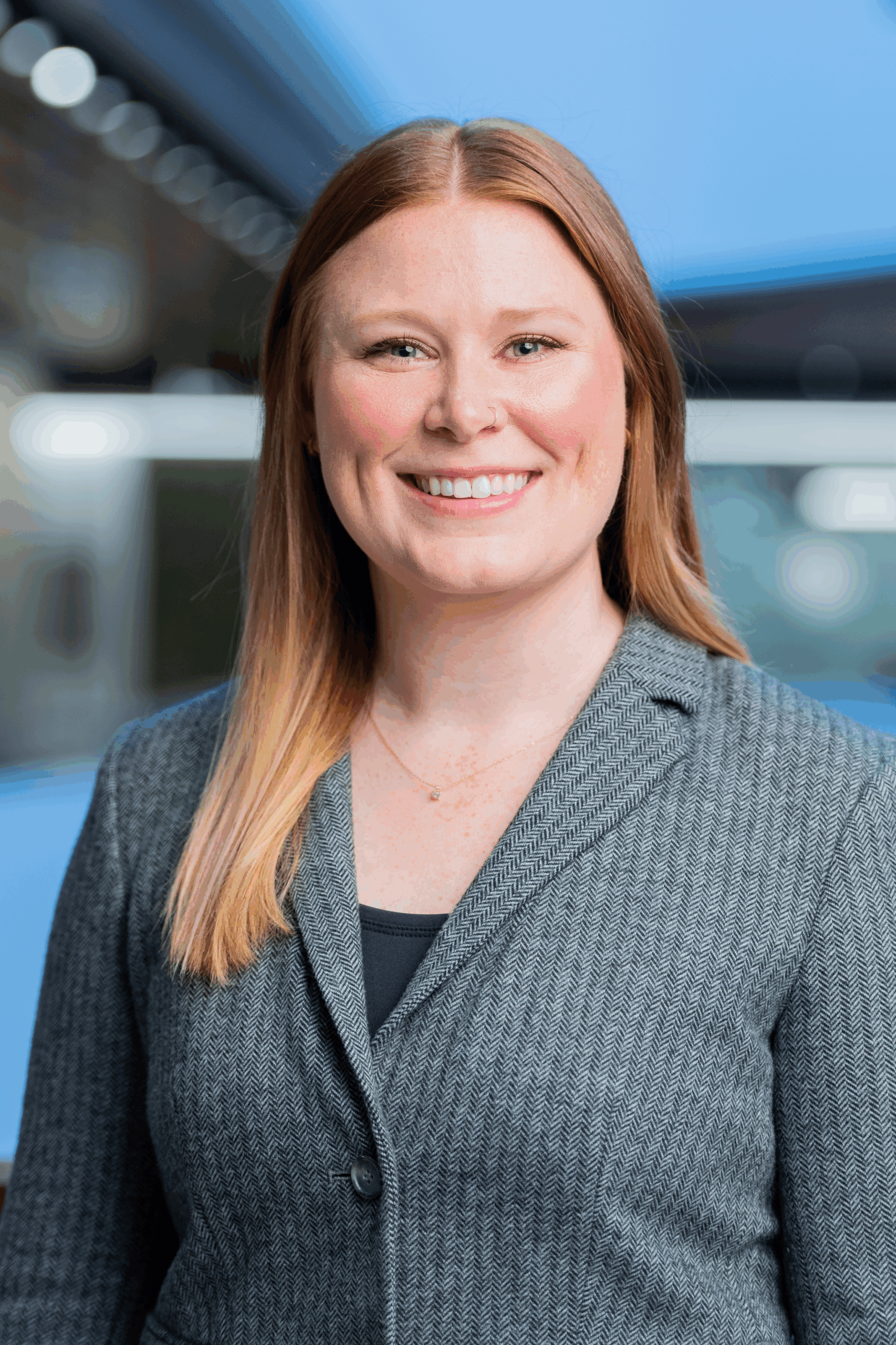
Kristin Perrin
“As a researcher, it is essential that I stay grounded in clinical practice. This award enables me to share my work on the interplay between residual limb muscle dynamics, socket design, and functional mobility, while engaging with the latest clinical advancements. In our specialized field, disseminating knowledge while staying current with emerging trends is vital for driving innovation.”
“I am extremely honored to be selected for the Mentored Pilot Research Grant. I am grateful for the opportunity to engage in research centered towards building a better understanding of post-stroke biomechanics with the ultimate goal of the improvement of patient safety and informed orthotic intervention. ed inquiry. Their example has shaped the way I approach research, and this grant offers an invaluable opportunity to continue that work and contribute to improved clinical decision-making and patient outcomes as a new clinician entering the field.“